
An Update on Devices for Essential Tremor Treatment
Peripheral nerve stimulation and mechanical devices offer noninvasive treatment options for essential tremor, with evidence supporting wearable technologies that reduce upper limb tremor and improve function.
KEY TAKEAWAYS
- Noninvasive devices are broadening the therapeutic landscape for people with essential tremor beyond medication and surgical intervention.
- Peripheral stimulation, vibration, and mechanical stabilization technologies differ considerably in evidence, regulatory status, and practical use.
- Understanding the strengths and limitations of available devices can help clinicians discuss technology-based options with patients more effectively.
Essential tremor (ET) is a chronic, progressive syndrome that predominantly presents with action tremor of the upper extremities that interferes with daily motor function. The syndrome may progress to involve disturbances in speech, gait, mood, and cognition. ET is one of the most common movement disorders, with a pooled prevalence of ~1% across all ages that increases with age, reaching ~5% among individuals aged >60 years.1
There are numerous treatment options for the motor manifestations of ET, including pharmacologic and nonpharmacologic therapies. A combination of first-line drug therapy, including beta-blockers or primidone, as well as noninvasive, nonpharmacologic therapies, including adaptive aids for activities of daily living, orthotic devices to mechanically stabilize the arm, peripheral limb cooling, and peripheral stimulation devices, has been proposed as a first step in the treatment of ET. Other treatments are available as well, including agents with less robust evidence and botulinum toxin injections. For refractory symptoms, invasive treatment options include deep brain stimulation (DBS) and MRI-guided focused ultrasound.1
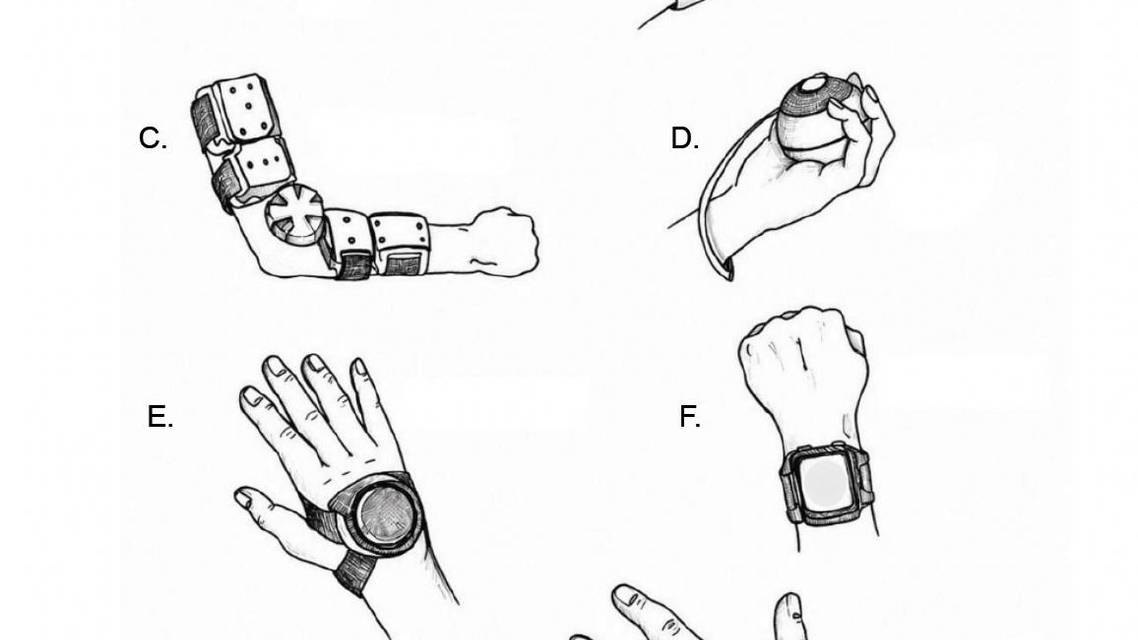
In this review, we provide an in-depth overview of peripheral stimulation and mechanical assistive devices, which are increasingly studied and relatively safe interventions for the management of ET. The devices discussed in this review are illustrated in the Figure and summarized in the Table.

Cala kIQ
Cala Health (San Mateo, CA) developed the first Food and Drug Administration (FDA)–authorized external upper-limb tremor stimulator, Cala ONE, through the de novo pathway in 2018; Cala kIQ, the current-generation device, received FDA 510(k) clearance in 2022.2,3 Cala kIQ, the latest iteration of the Cala devices, is indicated for patients with an action tremor, including patients with ET or Parkinson disease (PD).3 Cala Trio, the previous version, was indicated only for ET.
Cala kIQ is a wearable, watch-like device that provides transcutaneous afferent patterned stimulation (TAPS) therapy. Cala Health recommends use of the Cala kIQ device for 40-minute sessions as needed for activities. TAPS alternately stimulates the radial and median nerves at the wrist at an oscillatory frequency calibrated to the patient’s tremor.
The downstream physiologic mechanism of action on tremor is not clearly understood. One proposed mechanism is that peripheral nerve stimulation evokes central activity in the ventral intermediate nucleus of the thalamus—the target for DBS for ET.4 An alternative hypothesis is that manipulation of peripheral sensory input modulates circuitry involved in tremor reduction.4 One small functional imaging study also demonstrated increased metabolic activity in the ipsilateral cerebellum, similar to the cerebellum activation observed with tremor control during ventral intermediate nucleus DBS.5
Multiple studies of TAPS therapy have demonstrated reductions in tremor severity and improvements in functional outcomes. Clinical studies, including randomized controlled trials, have shown improvements in Tremor Research Group Essential Tremor Rating Assessment Scale (TETRAS) scores,6-8 as well as a decrease in tremor power as measured by accelerometry.5,9 One prospective trial (Prospective Study for Symptomatic Relief of ET with Cala Therapy [PROSPECT]; NCT03597100) followed 263 participants with ET over 3 months.7 When comparing baseline prestimulation TETRAS scores with study exit poststimulation scores, the proportion of participants who rated their tremor as “moderate” or “severe” improved from 49.3% to 23%.7 On average, the TETRAS dominant-hand scores improved by 2.8 points between prestimulation baseline and poststimulation study exit (P<.0001).7 The Cala device was also shown to significantly improve upper limb function,5,9 with an average decrease in Bain and Findley Activities of Daily Living (BF-ADL) scores by 5.0 points in the same study.9
In other studies, TETRAS and functional scores also significantly improved from immediately before vs after each stimulation session (P<.017 to P<.0001).7,8 Benefits were observed not only immediately after therapy but also up to an hour after stimulation.10 No serious adverse events have been reported with Cala kIQ, but patients have reported mild disturbances, such as local discomfort, skin irritation, arthralgias, and nausea.5,6
Cala kIQ is covered by Medicare, certain commercial insurances, and the US Department of Veterans Affairs (VA). Medicare only covers the device for patients with ET, not PD, and only for the designated dominant hand. Cala kIQ is contraindicated in patients with implanted electrical devices, such as pacemakers, defibrillators, and deep brain stimulators; in patients with seizure disorders; and in pregnant individuals.
Felix NeuroAI Wristband
The Felix NeuroAI Wristband (Felix AI)—created by Fasikl (Bloomington, MN), a neurotechnology company out of the University of Minnesota—uses artificial intelligence (AI)–driven transcutaneous peripheral nerve stimulation to stimulate radial, median, and ulnar nerves to reduce tremor in people with ET. The device uses an accelerometer and gyroscope to measure tremor parameters and then, using a cloud-based AI algorithm, continually adjusts stimulation settings, including pulse counts, stimulation sequence among nerves, and stimulation intensity.11 Felix AI is designed to be worn all day to provide continued tremor relief.
The pivotal Assessment of the Safety and Efficacy of the Felix NeuroAI Wristband in Essential Tremor (TRANQUIL; NCT06235190)12,13 prospective, randomized, double-blind study included 125 participants with a clinical diagnosis of ET randomized 2:1 to receive Felix AI or sham treatment over 90 days. Participants were recruited from 12 centers across the United States and China. Study results showed significant improvement in TETRAS modified activities of daily living (mADL) scores in the Felix AI group compared with the sham group at 90 days, with differences first emerging between the 2 groups at 14 days. The mADL scores were reduced by 6.9±6.0 points in the Felix AI group vs 2.7±4.1 points in the sham group (P<.0001). In addition, Clinical Global Impressions of Improvement (CGI-I) scores improved in 69.4% of the Felix AI group compared with 44% of the sham group (P=.02).12,13 As secondary outcomes, both Quality of Life in Essential Tremor Questionnaire (QUEST) scores and psychosocial scores also improved in the Felix AI group compared with the sham group. The most common reported side effect was mild skin irritation in ~33% of participants in the Felix AI group compared with 4.8% of the sham group. No serious device-related safety issues were identified. On the basis of the compelling results in tremor reduction and reassuring safety profile, the Felix AI wristband received FDA 510(k) clearance for treatment of ET in July 2025.14
The Felix AI has the same Medicare coverage as the Cala device, with coverage limited to individuals with ET and to the designated dominant hand. Private pay and self-pay are available; commercial insurance coverage remains variable. The device shares the same contraindications as the Cala device, including implanted electrical devices, pregnancy, and seizure disorders. The Felix AI wristband is available on a first-come, first-served basis and only in the United States.15
VILIM Ball
Manufactured in Kaunas, Lithuania, the VILIM ball (Vilimed; Miami, FL) is a nonprescription Class IIa CE-certified medical device in the European Union marketed for use in ET and PD. The VILIM ball is a spherical device that generates low-frequency mechanical vibrations in the frequency range of 8 to 18 Hz as the individual squeezes the device for 10 minutes. VILIM recommends that the therapy be performed 3 times a day for each affected hand. The device uses an internal AI algorithm that customizes the emitted vibrational frequency to the individual’s tremor after 14 days of use.
Compared with the Cala and Felix AI devices, studies involving the VILIM ball are limited. One small prospective study of 17 participants measured tremor intensity before and after use by calculating the change in power spectrum measured by a smartphone accelerometer. Responses to therapy were highly variable. The study demonstrated an overall average decrease in tremor intensity from 0.106 m2/s3 Hz to 0.042 m2/s3 Hz (P<.027), but the device was ineffective in 4 participants.16 As a secondary endpoint, the study also surveyed participants on their assessment of the VILIM ball’s effectiveness. While 7 individuals reported improvement in tremor, 7 reported no change, and 2 reported worsened tremor.16 The same study performed an extended cross-sectional safety analysis, which demonstrated no serious adverse effects.16
As of July 2026, the VILIM ball is not covered by commercial insurance or Medicare, but it can be purchased directly from the manufacturer and is Health Savings Account and Flexible Spending Account eligible. Per the Vilimed website (https://vilimed.com), the VILIM ball has not been studied in individuals with implanted electrical devices; thus, it is recommended that these individuals consult their doctors before use.17
Encora X1

Figure 1. Artist’s renditions of devices discussed in this article (artist: Katelynn Getchell, MD). A, Cala kIQ (Cala Health, Inc, San Mateo, CA); B, FelixAI (Fasikl, Bloomington, MN); C, Move-D (Innovation Lab and Children’s Hospital of Orange County [CHOC] and University of California, Irvine, CA); D, VILIM ball (JSC VILIMED [formerly Fidens], Kaunas, Lithuania); E, Steadi-3 (Steadiwear, Toronto, Canada); F, BeechBand (Beechband Ltd, Stevenage, Hertfordshire, England); G, Encora X1 (Encora Therapeutics, Boston, MA); H, GyroGlove (GyroGear, London, England). The illustrations are independently created artistic representations intended solely for academic and educational purposes and are not manufacturer-supplied product images or depictions of proprietary technology. The illustrations have not been reviewed or approved by the respective device manufacturers. The figure and depicted likenesses are not licensed by, sponsored by, endorsed by, or affiliated with any device manufacturer.
Encora X1 (Encora Therapeutics; Boston, MA) is a prescription-only, noninvasive, wrist-worn device for individuals with ET or PD. Like the VILIM ball, it is designed to sense tremor rhythms in real time and then deliver customized mechanical vibrations that disrupt tremor signaling.18 The device obtained FDA clearance in 2026 based on 2 clinical studies that have yet to be published, including a randomized sham-controlled trial and a 90-day home use study.
Results from the prospective, double-blind, randomized, sham-controlled Upper Limb Tremor Reduction in Essential Tremor Patients (ULTRE; NCT06343285) study were published in abstract form in April 2025.19 The ULTRE study demonstrated statistically significant improvements in tremor severity and functional outcomes based on BF-ADL and TETRAS scores.19 The trial explored 2 paradigms of treatment delivery: pulsed stimulation (low-amplitude stimulation at 0.125 Hz) and continuous stimulation (high-amplitude stimulation at the participant’s tremor frequency).19 Both paradigms outperformed the sham treatment in functional outcomes.19 The trial reported a cumulative benefit over the course of the treatment period.19 Treatment with Encora X1 was well tolerated and safe; only mild adverse events, including numbness, local irritation, and possible temporary worsening of tremor, were reported.18 Unlike the Cala and Felix AI devices, the Encora X1 can be used in individuals with implanted electrical devices and seizure disorders, but it is still not recommended for use in pregnant individuals.
BeechBand
The BeechBand is a consumer wellness wearable developed in the UK that delivers wrist vibration. It is not a regulated medical device and lacks clinical efficacy data. The BeechBand concept was based on the developer’s personal observation that continuous wrist tapping helped relieve symptoms.
The BeechBand delivers gentle, low-intensity background vibrations to the wrist, designed to create a calming sensory input. It is designed for daily use up to 7 hours a day with a recommended trial of at least 6 weeks.20 According to the BeechBand website (https://www.beechband.com), the device supports movement and general neurologic function over time, and it may lead to improvement in speech difficulties and abnormal movements. The website features positive testimonials from a number of individual users with various neurologic conditions, including PD, multiple sclerosis, and stroke. However, there are no formal studies to support the efficacy or safety of the BeechBand.
As of July 2026, BeechBand can be purchased online with a 100-day money-back guarantee. As it is a consumer wellness device rather than a medical device, no prescription is required for purchase. Formal safety data are lacking, so the absence of reported contraindications should not be interpreted as established safety.
GyroGlove
The GyroGlove uses gyroscope-based rotational mechanical resistance to help stabilize tremors. It consists of a spinning gyroscope at the dorsum of the hand and a battery pack at the elbow, all covered by a fabric glove. The GyroGlove works through a rapidly spinning gyroscope that generates angular momentum to resist rapid changes in direction.21
GyroGlove is manufactured by GyroGear Ltd., a UK company founded by Dr. Faii Ong. GyroGlove is described as a Class I wearable assistive device and has not received FDA 510(k) clearance.
A multicenter, single-blinded, placebo-controlled trial testing GyroGlove on individuals with ET is underway (GyroGlove Use in Essential Tremor Patients; NCT05958030).22 The GyroGlove comes in 3 different sizes, with the medium-sized glove weighing ~580 g (1.27 lb). It is generally available through self-pay; VA availability may vary by site.23
Move-D
Move-D is a lightweight mechanical elbow brace designed to stabilize the upper extremity from the shaft of the humerus to the wrist to reduce tremors in the dominant arm. This dynamic brace can be adjusted depending on the severity of the tremors. Because it does not cover the wrist or hand, it would not be expected to improve wrist or hand tremors.21
The Move-D was developed by the Innovation Lab, Children’s Hospital of Orange County and the University of California, Irvine, in partnership with a teenager named Dylan with ataxic cerebral palsy. It is being marketed for use in ET, tremor in PD, and pediatric ataxic cerebral palsy.
A small study suggested statistically significant improvement in fine motor control and coordination in pediatric patients,24,25 but the data in adult populations are less robust. Move-D is listed as a Class I, premarket-exempt limb orthosis and is available for direct purchase without a prescription (https://movedbrace.com).
Steadi-3
Steadi-3 is a lightweight, wearable, battery-free device that uses magnetic vibration damping to reduce tremor in individuals with ET or PD.26 Its internal magnets control a dynamic disk that moves in the opposite direction of the tremor, stabilizing the hand similarly to the seismic damper systems in buildings during earthquakes.26
Evidence supporting Steadi-3’s efficacy is limited, but one small study showed improvement in kinetic tremor (specifically when drinking from a cup) using the Steadi-3 compared with placebo and no-intervention conditions; however, the study sample was small, with only 9 participants.27
The device is made by Steadiwear, a Toronto-based medtech company, and distributed by Pisces Innovation (Longmont, CO). Steadi-3 is an FDA-registered Class I medical device; registration does not constitute FDA clearance or approval. It is available for self-pay and is not generally covered by insurance.
Conclusion
Peripheral neuromodulation has emerged as an accessible, noninvasive treatment option for selected individuals with disabling upper limb ET, with the strongest evidence supporting FDA-cleared wrist-worn stimulation systems. Mechanical and consumer devices may also provide functional benefit, but their evidence base varies substantially, and several have not undergone rigorous controlled evaluation. These devices do not alter disease course. Cost, usability, treatment burden, and insurance coverage should be considered alongside expected benefit.
Ready to Claim Your Credits?
You have attempts to pass this post-test. Take your time and review carefully before submitting.
Good luck!
Recommended
 MS & Immune Disorders
Autologous Stem Cell Transplantation Inducing Durable Remission in Relapsing Tumefactive Multiple Sclerosis
Andrea Waser, BBiomedSc, MBBS; Mike Boggild, MD, FRACPAndrea Waser, BBiomedSc, MBBS; Mike Boggild, MD, FRACP- SEP-OCT 2026 ISSUE
Wearable Devices in Parkinson Disease: A Practical Guide for Clinicians
Siegfried Hirczy, MD; Ruth B. Schneider, MDSiegfried Hirczy, MD; Ruth B. Schneider, MD - Movement Disorders
The New Era of Deep Brain Stimulation Programming in Parkinson Disease
Aparna Wagle Shukla, MDAparna Wagle Shukla, MD