
Effective Communication Strategies for Managing Migraine Care Challenges
Effective communication is central to the patient–clinician relationship, facilitating timely, compassionate care, avoiding the perpetuation of stigma, and reducing the social impact of headache disorders.
KEY TAKEAWAYS
Effective migraine care depends on clear, validating communication.
Naming the migraine diagnosis helps patients understand their condition and may accelerate appropriate treatment.
Headache diaries, shared treatment goals, and selective caregiver involvement can improve management over time.
Among neurologic subspecialties, headache medicine relies heavily on patient history, with neurologic examination used primarily to refine the clinical picture and evaluate for signs of secondary headache disorders.1 Therefore, communication—a cornerstone of the patient–clinician relationship and the delivery of effective patient care—becomes paramount in the diagnosis and treatment of headache disorders.
Modern medicine introduces challenges to the practicing clinician that can affect the delivery of compassionate care. Discussing strategies to address operational challenges to clinical practice is beyond the scope of this article. Some challenges, however, such as limited time with patients, can be mitigated by honing effective communication skills for the patient visit. This article focuses on migraine as a prototype primary headache disorder to frame communication strategies in the clinic. Such strategies can be extrapolated to other headache disorders as needed.
Perils of Miscommunication
Although many studies have been conducted on medical communication, few have focused specifically on migraine care. In general, the use of open-ended questions allows individuals to more freely communicate their experience and facilitates conversation with the clinician. Buse and Lipton2 reported that although patients desire better communication with their clinician, 55% of patient–clinician pairs “did not report matching information regarding [headache] frequency, and 51% did not agree on impairment,” even when interviewed immediately after the clinical encounter. The authors note that reliance on closed-ended questions may have contributed to the observed discrepancy.1,2
In an observational study, Buse et al3 analyzed audio recordings of neurologist–patient encounters for chronic migraine. Most questions asked were closed-ended questions, yielding short, limited, yes–no answers. In addition, although most dialogues assessed headache frequency, “chronic migraine” as a diagnosis was used in none of the dialogues. Rather, it was used to generally reference the condition or in conjunction with treatment. Providing the diagnosis of migraine not only conveys the chronic nature and potential burden of disease but can also influence the treatment trajectory.
In the second OVERCOME study (Observational Survey of the Epidemiology, Treatment, and Care of Migraine), Suzuki et al4 surveyed adults with migraine in Japan and found that only 48% of respondents were told they had migraine at their first consultation. A total of 55.1% of respondents saw a general practitioner, and 30.3% saw a specialist (which included neurologists and clinicians in headache clinics); just under half of those respondents with migraine reported no diagnosis after their first consultation. The impact of simply receiving a diagnosis is striking. Respondents who received a migraine diagnosis at the first consultation were initiated on a triptan 2.3 years earlier and on an oral preventive medication 1.2 years earlier than respondents who were not explicitly diagnosed. Vaghi et al5 had similar findings in a multinational European survey, reporting a lag of >5 years for 40% of respondents even after receiving a diagnosis of migraine.
The increasing ability of individuals to access their electronic health records through patient portals can provide an opportunity to discuss diagnostic terminology. The ability to relate personal symptom experiences to the medical terminology documented in the medical record can enhance patient understanding of their condition and support self-advocacy, such as when discussing their medical history at other appointments or engaging with health care insurance providers.
Some diagnoses included as placeholders while the clinical picture is refined over time may cause interim confusion and mistrust if a patient sees a diagnosis in the visit summary that was not discussed during their appointment. Table 1 outlines communication strategies to consider, such as use of open-ended questions and the Ask–Tell–Ask technique, along with sample dialogue applicable to headache neurology.1,6

Validate, Diagnose, and Promote Change
The lag between diagnosis and treatment, even when the diagnosis is presented to the patient, highlights an opportunity to strategically tie the two together during the patient visit. Validating the patient’s experience by connecting it to the suspected diagnosis can be an effective opening strategy that can then transition to treatment.
People with migraine experience a largely invisible source of disability, chronic pain, which may confer social stigma. As such, people with migraine can become sensitive to communicative cues, which can influence the therapeutic alliance between patient and clinician. In dialectical behavioral therapy (DBT), there are 6 levels of validation that involve both verbal and nonverbal signals from the clinician (see Table 2, available on www.PracticalNeurology.com).7 Although primarily directed toward validation of patient behaviors, there are highlights from DBT principles that can be useful for clinicians to practice and use during the patient encounter:
- First, be fully present during the patient history: listen, make eye contact, and avoid multitasking.
- Second, normalize the patient’s experience by grounding it in neurobiology.
- Third, describe plainly how the patient’s experience makes sense in the context of current migraine research.

The clinician should also make efforts to reframe discussion of factors outside the patient’s control and redirect toward actionable treatment strategies. For example, a patient may express anxiety over the unpredictable nature of migraine attacks because “nothing works.” The clinician should validate the patient’s experience—“Migraine attacks can be unpredictable and understandably cause anxiety…”—but invalidate the subsequent maladaptive thought process and reframe the statement—“…but there are strategies we can explore and incorporate into your treatment plan so that when attacks do occur, you are prepared to respond effectively” (see Table 2, available on www.PracticalNeurology.com).
Framing Treatment Expectations and Incremental Improvement
Just as treatment selection should be individualized to the patient, so should the discussion that takes place around the treatment plan. Before diving into treatment details, however, consider establishing treatment expectations. In headache medicine, this involves establishing 3 points.
First, people who experience substantial improvement in headache attack frequency, severity, or disability may still need additional strategies to manage individual attacks. Migraine and other primary headache disorders are chronic conditions. Regardless of attack frequency and treatment response, clinicians should normalize the idea that migraine is a fluctuating neurologic disease but pivot to discussing how acute and preventive treatment aim to decrease its impact on daily life.8
Second, define what treatment success can look like. When defining effective preventive treatment, a commonly utilized parameter is a 50% reduction in headache frequency. It is useful to recognize and incorporate other parameters, depending on the patient. For example, in a patient failed by numerous preventive treatments before referral, a more useful measure for preventive treatment success might be improvement in level of functioning rather than improvement in headache frequency.8 Effective acute treatment is commonly defined as the elimination of pain within 2 hours. Similar to preventive treatment, however, there are additional core definitions that can be useful to keep in mind. If total resolution of the headache is not realized, success may be defined as a significant reduction in intensity, perhaps enough that the patient can return to daily activities or work.8 For some people with migraine, pain may not be the most bothersome symptom. Fatigue, cognitive dysfunction, or increased sensitivity to environmental stimuli with migraine attacks may be more troublesome. For patients in whom pain is not the primary disabling symptom, focusing on pain relief (or lack thereof) can lead to discouragement and decrease the likelihood of adhering to treatment recommendations.
Third, establish that it takes time for preventive medications to produce efficacy. Explicitly state that improvement in headache does not occur overnight, which is a common theme for neurologic conditions in general. A helpful timeframe to keep in mind for preventive treatment can be 8 to 12 weeks. This general timeframe encompasses the typical observation period for both oral preventive medications, such as Β-blockers, antidepressants, and antiseizure medications, and contemporary preventive medications, such as anti–calcitonin gene-related peptide (CGRP) monoclonal antibodies and small molecule CGRP antagonists. OnabotulinumtoxinA should be tried for a minimum of 3 injection cycles. OnabotulinumtoxinA and CGRP antagonists may produce signs of clinical efficacy earlier.8
Headache Diaries and Communication Aids
Headache diagnosis primarily relies on information obtained from the patient. However, there is an inherent risk of recall bias when reflecting on diseases like migraine, which consist of episodic attacks, in which more severe or recent attacks dominate the patient’s memory of their clinical history.9 Therefore, various communication aids are regularly used in the treatment of patients with migraine. These continue to evolve as modern medicine becomes increasingly digital.
In a prospective study, Van Casteren et al10 reported an absolute average discrepancy between self-reported and diary-based frequency of ±4.7 days for headache frequency, ±6.2 days for nonmigraine headache days, and ±4.3 days with acute treatment. This discrepancy can affect headache care by delaying diagnosis and initiation of appropriate treatment.
Structured headache diaries can capture information about attack frequency, intensity, associated symptoms, triggers, medication use, and effectiveness of medication. Diaries remain a commonly used communication tool in headache practice and can help bridge the gap in communication between patient and clinician.11
Baos et al12 prospectively studied the benefits of structured headache diary use and reported several important insights. Almost all participants and clinicians in the study reported that the diary enabled them to better communicate with the other party about migraine. Most clinicians reported being able to better distinguish between headache types and assess headache-related disability, and that diary information helped guide treatment decisions. Participants reported that diary information improved their insight into headache-related disability. There was also a significant association between patient-assessed usefulness of the headache diary and patient satisfaction with medical care. More striking was that most participants reported an increased satisfaction with medical care after the study compared with before the study. The increased satisfaction could be attributed to several potential factors, such as enhancing patient engagement in their own care, increased time spent with the clinician when reviewing the diary, and uncovering hidden, previously unrecognized patterns, including progress.10,12 Both analog and electronic diaries are available (Table 3).

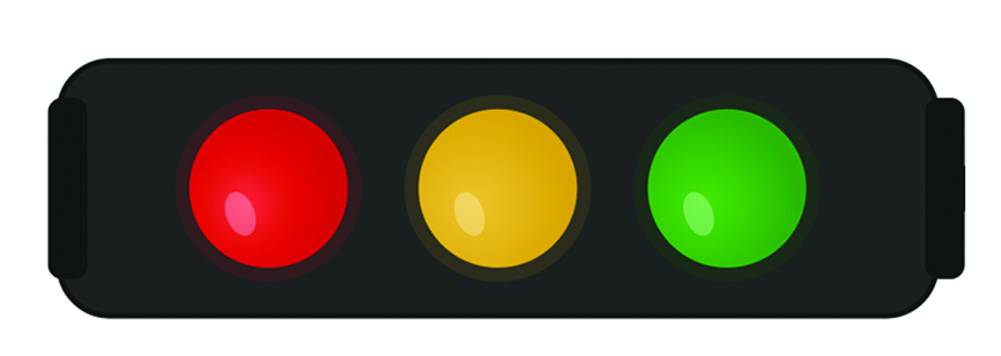
At the same time, structured headache diaries are not universally helpful, and clinicians should be selective with patients to whom they recommend use of a headache diary. Patients with high attack frequency or comorbid anxiety can find that headache diaries that require capturing a multitude of headache features intensify stress and preoccupation with symptoms. For these individuals, clinicians can still consider headache diaries as a communication tool but shift the emphasis to tracking level of functioning. Complex, detailed logs can also be intimidating for patients to maintain, which decreases the likelihood of adherence. In both scenarios, the traffic light model can be a useful alternative to consider (Figure).13

Figure. The traffic light model for recording headache severity and daily functioning in a headache diary.
The text above correlates traffic light colors with descriptors of pain severity, rather than a traditional numeric pain intensity scale. The text below correlates traffic light colors with the level of functioning.
Data from Lagman‐Bartolome MA, Lay C. The traffic light of headache: simplifying acute migraine management for physicians and patients using the Canadian Headache Society guidelines. Headache. 2019;59(2):250-252.13
Validated instruments can further streamline assessment. Tools such as the Migraine Treatment Optimization Questionnaire, a brief patient-rated tool, reliably gauge acute treatment adequacy and correlate with established measures like Migraine Disability Assessment and quality of life scales. Similarly, the Headache Impact Test–6 delineates effects of episodic and chronic migraine with high internal consistency, making it ideal for tracking disability and response in routine practice.14 Such instruments can be implemented even before the patient visit, allowing for valuable appointment time to be allotted toward meaningful discussion around management rather than extracting data.
Incorporating Caregivers Into the Discussion
Caregivers, who are often patients’ partners, tend to be less involved in migraine care than in other conditions. At the time of diagnosis, caregivers frequently lack the strategies and resources needed to navigate the migraine experience. Because migraine is a largely invisible disease, caregivers may not understand the full range of symptoms experienced during a migraine attack beyond head pain. During a migraine attack, there can be discordance between the caregiver and the person with migraine, wherein the caregiver wants to help, but the person with migraine wants to isolate. As a result, both can experience “migraine social fallout”:15 the person with migraine isolates from the caregiver when attacks occur; the caregiver, feeling obligated to provide support in solidarity, may “co-isolate” and withdraw from their own social activities.
The impact of including caregivers in a patient’s migraine treatment plan is manifold. Receiving the same education provided to patients on migraine biology and treatment can help caregivers understand patient adaptations during migraine attacks and improve relationships. Caregivers can contribute to diagnosis by helping combat recall bias, acting as a second point of reference for the patient’s daily functioning, migraine patterns, and treatment response, particularly when attacks impair the patient’s cognitive functioning. Caregivers can also affect patients’ openness to treatment. In the pediatric population, Smith et al16 found that the most prevalent factor in influencing patient openness to a treatment plan was concordance between patient and caregiver openness.
From a behavioral health angle, caregivers can prove vital to reinforcing more appropriate response styles tailored to the patient on a deeper, more individualized level than the clinician. Patients with migraine often have comorbid psychiatric conditions, especially depression or anxiety,17,18 which can lead to maladaptive thought processes and behaviors that negatively affect patient functioning, well-being, and response to treatment.19 Clinicians can use pearls from DBT during the office visit and provide education on maladaptive cognitive appraisals like pain catastrophizing or maladaptive behaviors like avoidance; caregivers can help facilitate the daily practice of undoing and reshaping those learned behaviors at home. Table 4 presents an adaptation of select cognitive behavioral therapy components that can be helpful in migraine care and supported by caregivers.20

Telemedicine can be helpful in facilitating caregiver presence at patient appointments by allowing invitation to additional parties and can be helpful in including caregivers who otherwise are not able to be present for all patient visits, particularly in-person appointments. Like headache diaries, however, invitation to caregiver involvement should be extended selectively, at the patient’s discretion, and only done if the clinician believes it would be beneficial.
Conclusion
Effective communication is foundational to establishing a strong therapeutic alliance between patients with migraine and their clinicians. Key elements include clearly delivering and reinforcing the diagnosis, validating the patient’s experience, setting treatment expectations, and providing practical tools for management. A patient-centered approach to communication improves openness and understanding of the treatment plan, reduces perceived stigma, and empowers patients and caregivers. Becoming proficient in communication can aid clinicians in meeting the modern challenges of headache care with both acumen and compassion.
Ready to Claim Your Credits?
You have attempts to pass this post-test. Take your time and review carefully before submitting.
Good luck!
Recommended
 Headache & Pain
Breaking the Stigma Around Headache: The Hidden Barrier to Effective Headache Care
Felicitas A. Huber, PhD; Jason Brause, MAFelicitas A. Huber, PhD; Jason Brause, MA- Headache & Pain
Cluster Headache Advocacy: The Role and Impact of Patient-Led Organizations
Derek Pyland; Anna WilliamsDerek Pyland; Anna Williams