
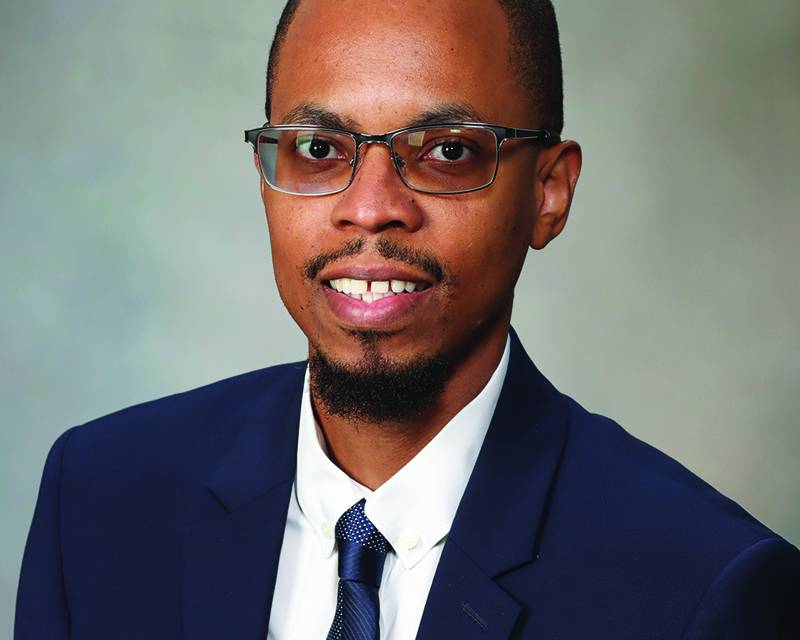
It gives me immense pleasure to introduce this issue of Practical Neurology on late-onset myopathies. The development of a late-onset myopathy can signal the beginning of a prolonged diagnostic journey for a patient. Delayed diagnosis is common. Accurate and early diagnosis, however, is critical to inform-disease specific treatment options for patients. Genetic counseling, screening for involvement of other organ systems, and specialized supportive care can positively impact the lives of patients and their loved ones. In this exciting era for neuromuscular medicine, the importance of timely identification of a patient’s late-onset myopathy is magnified. The number of clinical trials evaluating new therapies for both genetic and acquired disorders have skyrocketed in the last 2 decades, revitalizing the treatment landscape with new hope.
In this issue, Drs. Kim, Malavia, and Seth delve into the most common acquired myopathy over age 50: inclusion body myositis. This article discusses the underlying pathophysiology, summarizes key clinical characteristics, reviews the diagnostic criteria, and provides an up-to-date summary on advances towards therapeutics.
Drs. Choi and Zakin provide a detailed review of oculopharyngeal muscular dystrophy. This disorder can have symptoms that overlap significantly with other conditions, thereby creating diagnostic uncertainty. In addition to providing the reader with tools to expedite the diagnosis, current and future therapeutic directions are summarized.
Sporadic late-onset nemaline myopathy (SLONM) is a potentially treatable disorder that can significantly impact a patient’s quality of life. Drs. Mupanomunda and Shin successfully highlight high-yield clinical pearls in this article. Although well established guidelines for the treatment of SLONM do not exist, the authors provide a highly valuable approach that the neurologist will no doubt find helpful.
Finally, Drs. Lin and Wang unmask the complexities of facioscapulohumeral muscular dystrophy (FSHD) and its diverse presentations. This article reduces the potential confusion faced by many providers who encounter patients with suspected FSHD. It takes a sophisticated genetic disease and assimilates it into an easily digestible, priceless summary.
We extend a sincere “thank you” to our authors for lending their expertise to help develop this issue on late-onset myopathies. This issue promises to keep the reader continuously engaged. It is resource-rich, and certainly one the reader should have on ‘speed dial’ when considering late onset myopathies. I hope you enjoy reading this content as much as I did.
Ready to Claim Your Credits?
You have attempts to pass this post-test. Take your time and review carefully before submitting.
Good luck!
Recommended
 Neuromuscular
The Many Faces of Facioscapulohumeral Muscular Dystrophy
Ava Yun Lin, MD, PhD; Leo H. Wang, MD, PhDAva Yun Lin, MD, PhD; Leo H. Wang, MD, PhD